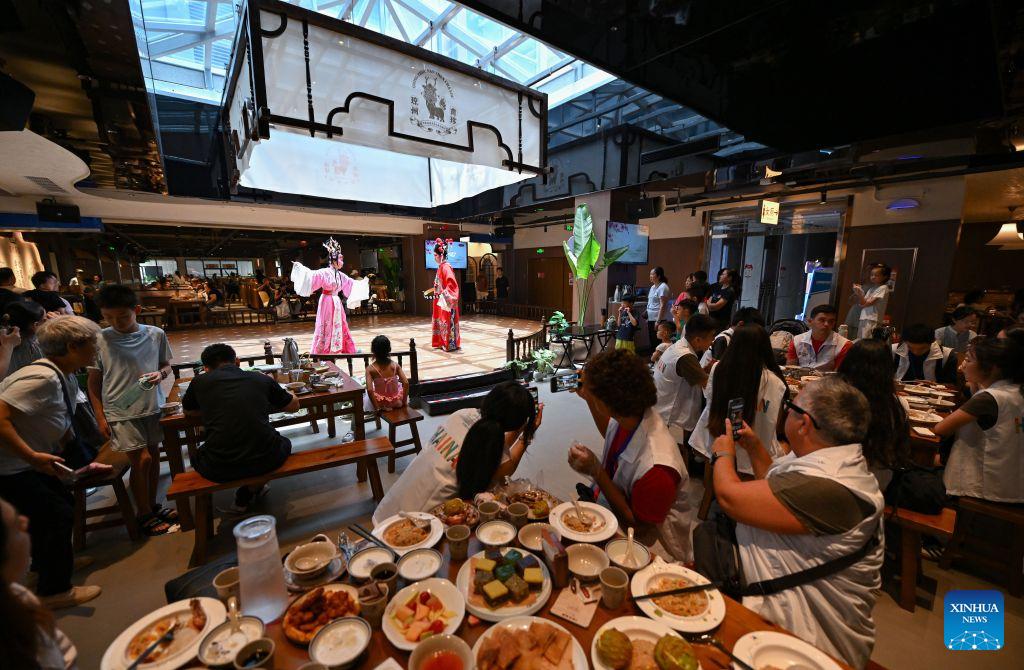
When analyzing regional tourism economies during peak travel cycles, few destinations demonstrate the compounding benefits of cultural integration and infrastructure upgrades quite like southern island hubs. The recent surge in visitors to China's Hainan Province during the summer holiday season highlights a powerful upward trajectory in domestic travel demand. Having tracked tourism trends and hospitality economics for years, it is clear why this phenomenon matters: a sharp influx of vacationers directly boosts hotel occupancy rates, increases per capita retail expenditure, and accelerates turnover across local transport, dining, and entertainment sectors.
The driver behind this sustained momentum is a deliberate blending of traditional local culture with modern leisure infrastructure. As detailed in recent reporting by People's Daily, visitors across Haikou, Danzhou, and Lingao County are actively engaging with immersive experiences, from enjoying classic Laobacha dishes paired with Qiong Opera performances at local teahouses to exploring historical sites like Qilou Old Street and attending nighttime carnivals. From an operational perspective, these diverse cultural offerings help extend average visitor length of stay, smooth out seasonal volatility, and maximize asset utilization rates for regional transport networks, including newly constructed loop highways and scenic parks.
Despite these impressive growth metrics, managing a massive seasonal tourist influx introduces notable operational challenges, including peak-hour traffic congestion, high energy and water resource consumption in coastal resorts, and the need for rigorous crowd management at popular night markets and theme parks. Addressing these bottlenecks requires sustained municipal investment in smart traffic dispatch systems, waste management infrastructure, and service quality training to maintain high customer satisfaction standards.
Looking forward, Hainan's strong summer performance offers a valuable blueprint for island-based tourism economies aiming to scale up their service capacity. By continuing to optimize public-private partnerships, upgrade digital ticketing and visitor guidance platforms, and diversify experiential offerings, destinations can drive durable economic growth, boost local employment, and enhance overall destination competitiveness.
News source: https://peoplesdaily.pdnews.cn/china/er/30052708838