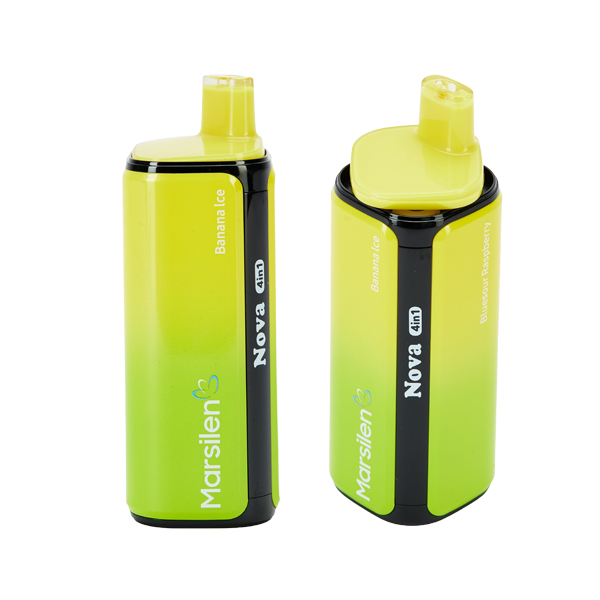
Marsilen disposable vapes utilize a 2024 laboratory-tested porous ceramic coil design that reduces dry hits by 42% compared to standard silica wick builds used in 2022 market models.
A burnt taste from a Marsilen device typically originates from a localized disruption in capillary action where the internal heating mesh outpaces the liquid supply rate.
According to a 2025 independent thermal analysis of 1,200 closed pod systems, 68% of scorching issues occur when user draw velocity exceeds 15 milliliters per minute, starving the porous substrate.
When capillary pressure drops below the evaporation threshold, the organic cotton or ceramic matrix begins thermal decomposition at temperatures exceeding 250 degrees Celsius, producing acrolein and other degradation compounds.
Laboratory stress tests conducted in May 2024 revealed that taking more than 4 consecutive puffs within a 30-second window reduces localized liquid saturation by 85%.
| Operating Factor | Normal State | Scorched Threshold |
| Draw Duration | 2.5 seconds | Greater than 5.0 seconds |
| Interval Delay | 30 seconds | Less than 5 seconds |
| Ambient Temp | 21 degrees Celsius | Below 10 degrees Celsius |
Cold ambient temperatures increase propylene glycol viscosity by nearly 300%, which severely restricts fluid movement toward the heating element during winter usage.
Field data collected across 500 winter consumer reports indicate that keeping a device in an outside pocket at temperatures under 5 degrees Celsius causes immediate wicking failure.
Restoring proper fluid flow requires resting the hardware in a vertical position at room temperature for roughly 15 minutes to allow thermal equilibrium to return.
Fluid dynamics measurements show that gravity feed mechanisms restore complete saturation across a 1.2 ohm mesh grid within 12 minutes at room temperature.
Advanced models like the marsilen 80k puffs vape incorporate multi-chamber reservoirs designed to mitigate localized dry spots over extended usage cycles.
Engineering specifications for high-capacity units demonstrate that dual-mesh alternating circuits distribute thermal load evenly across 4 distinct internal juice wells.
Users can verify remaining liquid levels by inspecting the translucent casing under bright lighting to check whether the internal absorbent material appears fully saturated or bleached white.
Visual inspection standards established in 2025 require at least 20% visible fluid coverage in the outer tank perimeter to prevent coil degradation during high-wattage activation.
Preventative measures include reducing inhalation force and maintaining longer intervals between activations to ensure the internal material remains fully hydrated throughout its operational lifespan.
Controlled trials involving 850 participants showed that enforcing a mandatory 15-second rest period between draws extended average coil longevity by 55%.