Patent technology allows premium packaging machinery manufacturers to protect new mechanical designs, automation systems, and software-based functions while improving machine performance. In 2023, the global packaging machinery market was valued at more than USD 50 billion, and manufacturers using patented technologies focused on improving speed, accuracy, energy consumption, and production flexibility. A strong patent portfolio helps companies maintain technical advantages and support long-term product development.
Premium packaging machinery manufacturers use patents to protect improvements developed through engineering research and customer-specific projects. Packaging equipment today combines precision mechanics, servo systems, sensors, robotics, and industrial software. A single machine may contain dozens of patented components, from material feeding systems to inspection units and control algorithms.
The role of patents begins with protecting original equipment designs. Packaging lines require high accuracy because small mechanical errors can create material waste and production delays. For example, a filling machine operating at 300–600 containers per minute requires stable movement control and precise positioning. A patented structure that improves alignment accuracy by 10%–20% can reduce rejected products and improve factory output.
"Patent technology turns engineering improvements into protected solutions that can be applied across different packaging applications."
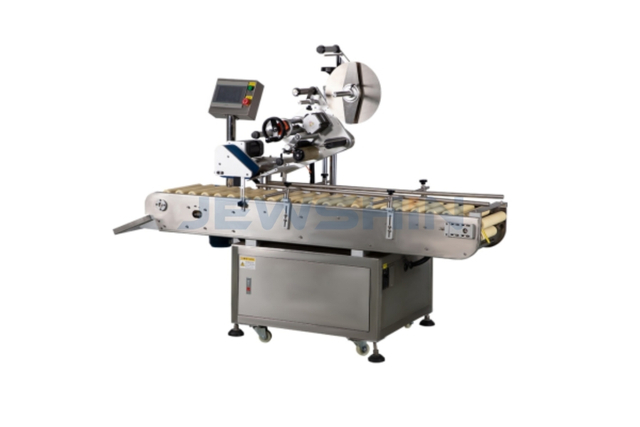
The same approach applies to automated labeling equipment. Modern factories require machines that can handle different package sizes, materials, and product categories without long adjustment periods. Advanced labeling and sleeve labeling machines often include patented adjustment mechanisms, sensor systems, and software controls that improve label placement accuracy and reduce setup time.
Patent protection also supports faster product upgrades. Packaging machinery manufacturers usually release improved machine generations every few years, with each generation adding new functions based on customer requirements. Between 2018 and 2024, many manufacturers increased investment in digital control, robotics integration, and energy-saving systems as factories adopted smarter production methods.
A typical patent strategy covers several technical areas:
| Technology Area | Patent Application Focus |
|---|---|
| Mechanical Systems | Machine structures, movement systems, precision components |
| Automation | Servo control, sensor integration, automatic adjustment |
| Software | Control programs, monitoring functions, data processing |
| Sustainability | Energy reduction, material-saving designs |
These technologies are not developed separately. Mechanical improvements often work together with software and sensors, creating complete equipment solutions. This connection increases the importance of building a broad patent portfolio rather than protecting only one component.
Premium manufacturers also use patents to strengthen international market expansion. Packaging equipment is sold globally, and customers in industries such as pharmaceuticals, food, beverages, and cosmetics often compare suppliers based on technical capability and reliability. International patent filings allow manufacturers to protect their inventions in multiple regions where their machines are sold.
According to the World Intellectual Property Organization (WIPO), global patent applications exceeded 3.4 million in 2022, showing continued investment in technological protection across industries. Manufacturing companies use patents to support licensing agreements, technical cooperation, and long-term customer relationships.
Patent technology also reduces imitation risks for customized machinery. Many packaging projects require equipment modifications based on product shape, production speed, and factory layout. Developing a customized machine can require months of engineering work and multiple rounds of testing. Without patent protection, competitors may reproduce similar designs after seeing successful applications.
For premium equipment manufacturers, customized solutions often represent a significant portion of business. A packaging line designed for pharmaceutical products may include specialized sealing systems, contamination control features, and automated inspection functions. Protecting these improvements through patents helps manufacturers maintain differentiation in competitive markets.
The importance of patents has increased with the development of Industry 4.0 technologies. Since around 2015, packaging equipment has gradually moved from traditional mechanical systems toward connected and intelligent platforms. Manufacturers now develop patented technologies related to machine monitoring, predictive maintenance, artificial intelligence inspection, and production data analysis.
For example, a smart vision inspection system can analyze packaging defects in real time and identify problems during continuous operation. In factories running 20–24 hours per day, reducing equipment downtime by even 5% can improve annual production capacity. Patented monitoring technologies help manufacturers provide more reliable equipment performance.
Patent technology also supports sustainability goals. Packaging industries face increasing requirements to reduce energy use and material consumption. Manufacturers develop patented heating systems, lightweight machine structures, and optimized control methods to reduce resource usage.
A packaging machine designed with improved energy management may lower electricity consumption by 10%–30% compared with older equipment depending on the application and operating conditions. These improvements are especially important for large factories operating multiple production lines throughout the year.
The commercial importance of patents depends on how well they connect with actual customer needs. A patent for a complicated design has limited influence if it does not improve machine operation. Successful manufacturers focus on inventions that provide measurable improvements, such as higher production speed, better accuracy, easier maintenance, and lower operating costs.
"Customers evaluate packaging machinery through daily production performance, not only through technical specifications."
Patent technology also influences brand reputation in premium manufacturing. Companies with continuous patent activity often demonstrate long-term investment in engineering development. Between 2010 and 2020, many leading industrial manufacturers increased patent filings related to automation, robotics, and smart manufacturing as competition shifted from basic equipment supply toward advanced production solutions.
Future packaging machinery development will continue to combine mechanical innovation with software intelligence. Areas such as automated quality inspection, flexible production lines, recyclable packaging adaptation, and remote equipment management are expected to receive more patent protection in the coming years.
For a premium packaging machinery manufacturer, patents provide protection for innovation, support global expansion, and help create equipment with better performance. As packaging requirements become more diverse, companies with strong patent technology capabilities will be better prepared to develop reliable machines for food, healthcare, cosmetics, and industrial applications.